Reader's diary: City of Djinns, a year in Delhi - William Dalrymple
Delhi as a mirror of current India
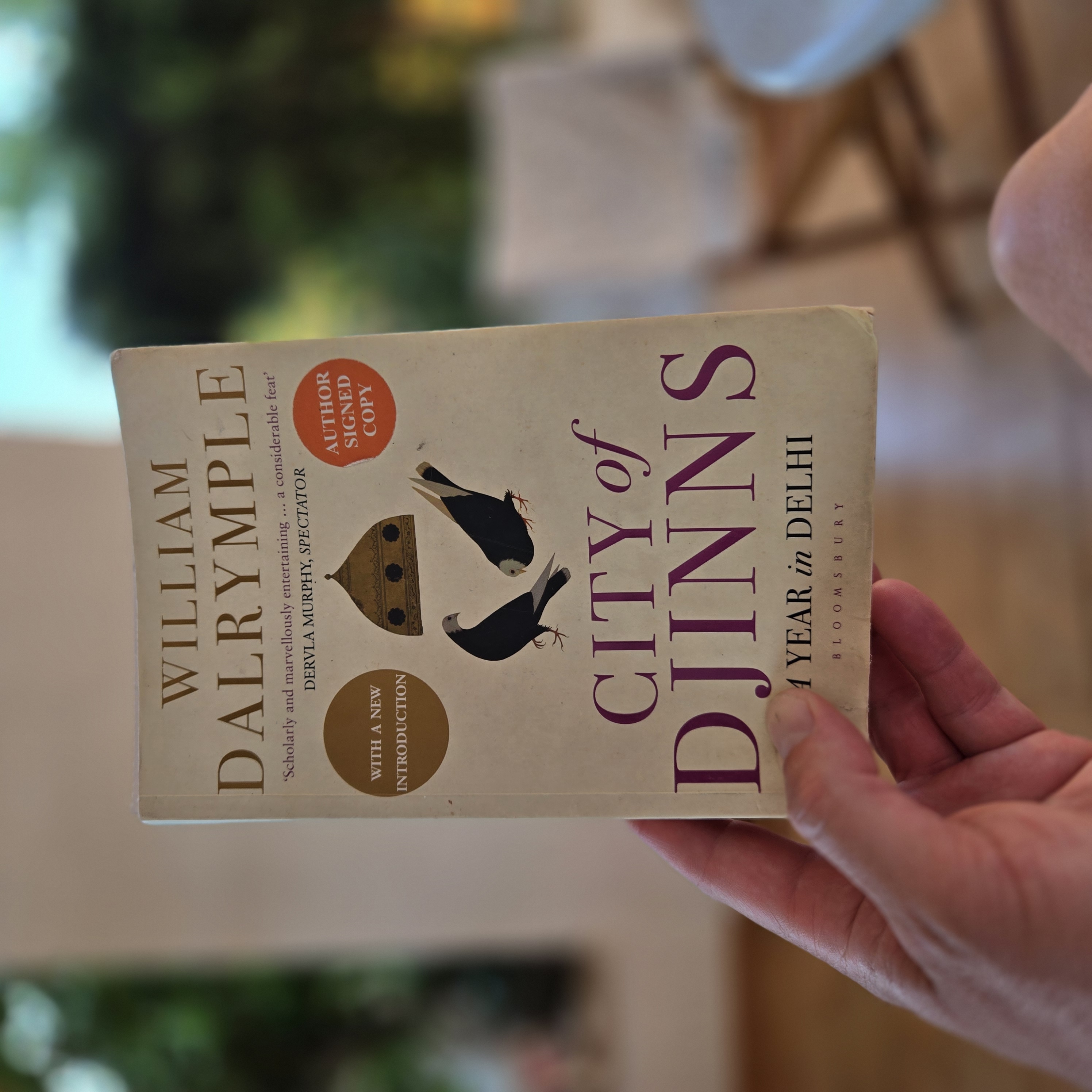
City of Djinns is a composition of the author’s historical research, personal anecdotes, architectural observations and the effects the heat of Delhi has, creating a rich and intense mosaic that makes you want to go and spend some more time in the city.
Dalrymple takes the reader on a tour to the narrow streets and forgotten parks and tells stories that teach us where and how to look at the magnificent city to spot the reflection of its vast history and the centuries-long cohabitation of Hindus, Muslims and Sikhs [and everyone else too]. The book covers the peaks of the booming Mughal empire as well as the lows of the massacres during the partition and anti-British uprisings.
The author follows the last descendants of the Mughals, who still inhabit the city, and spends weeks observing and trying to access and interview the city’s Hijras (the trans community inhabiting the streets) in order to show the scope of realities the city contains.
The result is a plastic and multidimensional portrait of a city, which reads well and tells the saga of the city in a way that is accessible and eye-opening. A lot of the histories and heritage — especially of Muslim rulers and eras — that is being silently ignored or neglected by the current Indian regime gets here the attention it deserves, and serves, in this sense, as a counter balance to the current trends. For those who are interested in Delhi or in India in general, this is a must read.
In particular, I would recommend this book to all the people I have met who have told me about the ways the Brits ‘civilised’ or improved Indian culture. There are some chapters in the book that might make them reconsider some perspectives.